

Hot Press News
- KLH Aziznagar Marks New Milestones in Technology and Innovation
- FILM & TAPE EXPO 2026 Concludes in Shenzhen, Connecting Global Functional Film and Adhesive Tape Industries
- Mathapathi Celebrates 25 Years of Building Homes and Shaping Residential Communities in Bengaluru
- TOTO India Introduces GN and GK Faucet Series, Bringing Japanese Design Heritage to Contemporary Bathrooms
- Royal Royce Detailing Highlights the Importance of Professional Car Polishing in Delhi for Better Vehicle Maintenance
- Civita 311 Brings Free Citizen Engagement Services to Small U.S. Communities
- Male Hair Transplant in Pune: Techniques, Benefits, Cost & Recovery Guide for Men
- Vikas Kumbh 2026 to Bring India’s Development Story to Centre Stage at Bharat Mandapam on December 10, 2026
- BADR AL SAMAA Strengthens Cardiac Healthcare Services with Comprehensive Heart Care in Muscat
- Aaron Marjala Develops New Perspectives on Property Risks and Assessments
- My Smile For Life Highlights Emergency Dental Care and Affordable Root Canal Options in Philadelphia
- Rush Turkey Electronic Visa Service: How to Get Your Turkey eVisa Faster
- Tally Prime Software in Bangalore
- Arna Softech Expands AI Engineering for Business Growth
- Manipal Hospital Dhakuria Highlights the Possibility of Treatment of Vesicovaginal Fistula Through Minimally Invasive Surgery
 Mail to a Friend |
|
 Rate |
 |
Male Hair Transplant in Pune: Techniques, Benefits, Cost & Recovery Guide for Men
2026-11-23 02:37:21
Health and Fitness
46
Hair loss is a common concern among men and women, affecting appearance, confidence and overall well-being. With advancements in medical techniques and diagnostic approaches, hair restoration has become more personalised. Modern treatments focus not only on improving hair coverage but also on identifying the underlying causes of hair loss and selecting suitable solutions for individual patients.
## Understanding the Role of Technology in Hair Restoration
Hair restoration begins with identifying the type and severity of hair loss. Individuals may experience genetic hair thinning, hormonal changes, nutritional deficiencies or scalp-related conditions.
Modern diagnostic approaches help specialists examine scalp conditions, assess hair density and understand the distribution of thinning. These evaluations support informed decisions about suitable treatment options.
## How Advanced Hair Transplant Techniques Are Changing Treatment
Follicular Unit Extraction (FUE) is a commonly used hair transplant technique. It involves extracting individual hair follicles from a donor area, usually the back or sides of the scalp, and implanting them into areas affected by hair loss.
Some important aspects of modern hair transplantation include:
- **Individual Follicle Extraction:** Individual follicular units are extracted instead of removing a large strip of scalp.
- **Personalised Hairline Planning:** Hairline design considers facial proportions, age and existing hair characteristics.
- **Donor Area Assessment:** Specialists evaluate donor hair availability before determining graft requirements.
- **Treatment Planning:** Grafts are distributed according to the patient's hair loss pattern and restoration goals.
These techniques can help suitable patients achieve natural-looking hair restoration results.
## Why Personalised Treatment Planning Matters
Not every individual experiencing hair loss requires a transplant. Some patients may benefit from medical management, while others with permanent hair loss may be suitable for surgical restoration.
A comprehensive evaluation considers the underlying cause of hair loss, scalp condition, donor hair quality, medical history and individual treatment expectations.
Personalised planning also helps patients understand the potential benefits, limitations, recovery process and long-term maintenance requirements of treatment.
## FUE Hair Transplant and Modern Hair Restoration
FUE has become an important option in hair restoration because it allows individual follicular units to be extracted and transplanted through small extraction sites.
It may be considered for men experiencing a receding hairline, male pattern baldness or thinning in specific scalp regions. However, treatment suitability depends on donor hair quality, the extent of hair loss and individual medical factors.
Patients should consult a qualified hair transplant surgeon before deciding on a procedure.
## The Importance of Specialist Expertise
Technology supports treatment planning, but medical expertise remains essential. A qualified dermatologist or hair transplant surgeon must evaluate the patient's condition, interpret diagnostic findings and recommend an appropriate treatment approach.
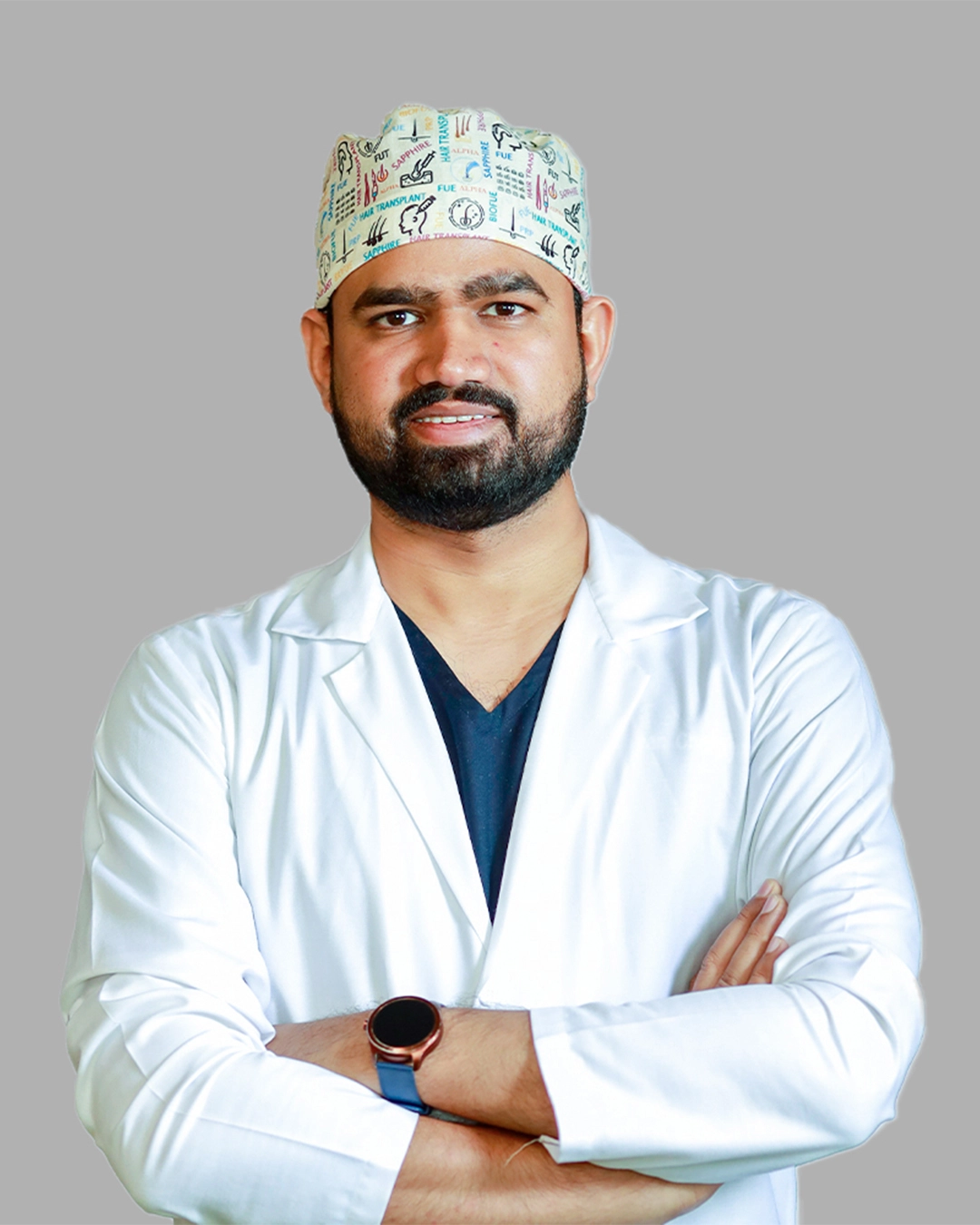
Dr. Kiran Chotaliya, a dermatologist and hair transplant surgeon in Pune, provides consultations for individuals exploring hair loss treatments and hair restoration options.
Men considering a hair transplant can learn more about available options through the [Male Hair Transplant in Pune](https://drkiranchotaliya.com/male-hair-transplant-pune/) service page. More information about the clinic and its treatments is available on the [official website of Dr. Kiran Chotaliya](https://drkiranchotaliya.com/).
## What Should Patients Consider Before Choosing Hair Restoration?
Before selecting a hair restoration treatment, patients should consider:
- The surgeon's qualifications and experience.
- The diagnosis and underlying cause of hair loss.
- Available treatment techniques.
- Donor hair suitability and graft requirements.
- Potential risks, recovery and aftercare.
- Realistic expectations regarding hair growth and density.
Patients should also understand that transplanted hair does not prevent existing non-transplanted hair from thinning over time. Appropriate medical management and follow-up may therefore be necessary.
## Conclusion
Advancements in technology and surgical techniques have made hair restoration more personalised. However, treatment outcomes depend on accurate diagnosis, medical expertise, appropriate patient selection and proper aftercare.
For individuals experiencing hair thinning or permanent baldness, consulting an experienced specialist can help identify suitable treatment options and establish realistic expectations for hair restoration.
Company :-hairfree hairgrow clinic
User :- sonali sonaliushc
Email :-sonaliushc@gmail.com
Phone :-07066661143
Mobile:- 07066661143
Url :- https://drkiranchotaliya.com/



Get your Explainer Video at 100 dollars only Today.
To ensure stability and reachability of your applications at all times, remote DDoS protection can keep your hosting services online