

Hot Press News
- FADA Academy and ASDC Inaugurate Their First Joint Training Centre at Agra to Build a Job-Ready Automotive Retail Workforce
- ReadyBid Unlocks Hotel Sourcing Opportunities Across Franchise Networks
- Smart Electricity Meter in India Crosses 7.24 Crore Installations as Prepaid Metering Reshapes Power Distribution Nationwide
- Amaha Mental Health Report 2026 Reveals 53% of Those Seeking Mental Healthcare Waited Over a Year
- Aksha Kamboj Honours Aman Sehrawat for His Historic Asian Games Gold Medal Win
- Bee Moments N Experience Introduces Event Planning Services for Manchester Celebrations
- ODM Public School Hosts Career Fair 2026, Opening Real-World Pathways for Students
- Imarticus Learning’s Future Skills for Bharat Launched in Association with IIT Kanpur
- HDFC Bank Launches Festive Treats 2026 – with over 10,000 Exciting Offers
- Apzix Brings Custom Binary Options Platform Script Solutions to Fintech Startups and Enterprises
- IDS Next Expands Wellness Technology Offering Through Oracle Marketplace
- Pulse Ka Pandal 2026 Brings Immersive Digital Experiences to Navratri, Durga Puja and Dussehra
- Matrix and Veracity Integrate Video Surveillance with VIEWSCAPE Command & Control Platform
- Hairfree & Hairgrow Clinic Shares Guidance on Hair Transplant Costs, Clinical Quality and Results in India
- Anubhav Singh Bassi’s ‘Cheating’ Becomes First Stand-Up Comedy Video to Cross 100 Million Views on YouTube
 Mail to a Friend Mail to a Friend |
|
 Rate Rate |
 |
Smart Electricity Meter in India Crosses 7.24 Crore Installations as Prepaid Metering Reshapes Power Distribution Nationwide
2026-10-14 01:18:02
Technology
123
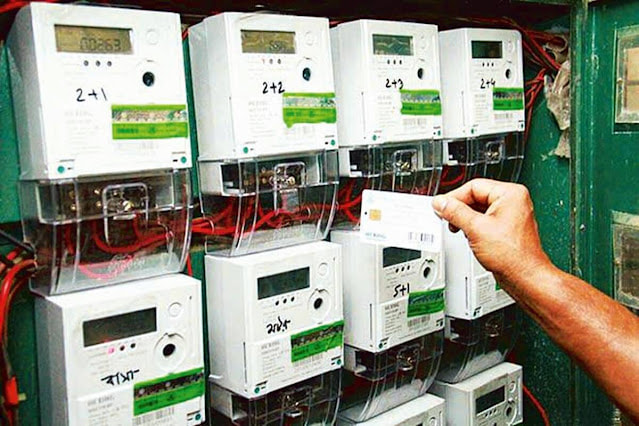
New Delhi, October 14, 2026: India's power distribution sector is moving steadily from manual meter reading to connected, data-driven metering. According to a written reply by the Ministry of Power in Parliament, 7.24 crore smart meters, covering consumer, distribution transformer and feeder meters, had been installed across the country as of June 30, 2026. Of these, 5.73 crore were set up under the Revamped Distribution Sector Scheme (RDSS), while the remainder came through other initiatives, including the National Smart Grid Mission.
The scale of the programme remains large. RDSS has sanctioned 20.33 crore smart meters in total, made up of 19.79 crore consumer meters, 52.53 lakh distribution transformer meters and 2.05 lakh feeder meters. The scheme's sunset date is currently set at March 31, 2028, which leaves a defined window for utilities to close the gap between sanctioned and installed meters.
The reason behind the push is financial as much as technical. Official data shows that aggregate technical and commercial (AT&C) losses declined from 21.91 percent in FY21 to 15.04 percent in FY25, a period in which reforms including smart metering were carried out. Prepaid smart meters also allow distribution companies to collect revenue in advance, which eases working capital pressure. For households, the meters enable near real-time tracking of consumption through mobile applications, along with easy recharge, low-balance alerts and access to historical usage data.
Growing public attention on the Smart Electricity Meter in India has also raised questions about billing accuracy. In response, the Ministry of Power has advised the installation of check meters on up to 5 percent of smart meters and made check meters mandatory wherever consumers raise complaints. Other measures include bill rebates for prepaid users, no penalty based on the maximum demand recorded by the meter, and recovery of past arrears in easy instalments. Cyber security has been addressed through provisions in the RDSS Standard Bidding Document covering data security, cloud protection and compliance with the Digital Personal Data Protection Act.
Technology standards are also evolving. In December 2025, Power Secretary Pankaj Agarwal said India plans to mandate full interoperability across metering devices, so that utilities are not locked into a single vendor. Interoperability is expected to give distribution companies more flexibility when expanding or replacing metering infrastructure.
Manufacturers and advanced metering infrastructure service providers (AMISPs) sit at the centre of the rollout. Polaris Smart Metering, formerly Gram Power, has been appointed as AMISP in Bihar (2018), Ladakh and Kargil (2022), Uttar Pradesh (2023), and Manipur and West Bengal (2024). As reported in February 2026, the company had manufactured and deployed more than one million smart meters under RDSS, with an annual manufacturing capacity of five million meters.
As the RDSS deadline approaches, progress on the Smart Electricity Meter in India will depend on steady installation pace, consumer confidence in meter accuracy, secure handling of usage data and clear interoperability standards. The next phase of the rollout is likely to show whether the early gains in billing efficiency and loss reduction can be sustained at a national scale.
User :- Anita Saini
Email :-anitacubicalseo@gmail.com
Url :- https://www.polarisgrids.com/



Get your Explainer Video at 100 dollars only Today.

To ensure stability and reachability of your applications at all times, remote DDoS protection can keep your hosting services online