

Hot Press News
- IIT Roorkee Announces Batch 5 of Post Graduate Certificate Programme in Applied Data Science & AI
- Dental Experts Explain the Benefits of Root Canal Treatment
- ReadyBid Puts Corporate Legal Travel on the Hotel Sourcing Map as Specialized Business Trips Create Recurring Lodging Demand
- Spinny earns Great Place To Work Certification
- HBS Consultancy Expands Chef Manpower Recruitment Services for International Hospitality Employers
- Geepas KSA Expands Kitchen Solutions with Best Kitchen Appliances for Modern Saudi Homes
- Vietjet offers Indian travelers tickets from ?11 as international network expands
- Joys Interior Brings Functional and Stylish Modular Kitchen Designs to Sarjapur
- Tarasafe to Showcase Advanced FR and Arc Flash Workwear at Expo Protection 2026
- Acer and Akshay Kumar Deepen Partnership with Acer Fashion Luggage Collaboration
- Dazonn Assist Adds Data Analytics to Its Business Support Services
- DLF Malls Unveils the Third Edition of BeYOUtiful, Transforming Beauty Retail into a World of Discovery, Expression and Experience
- Doon Home Tuition Expands Personalized Education Services in 2026
- NASCO Corp Expands Access to Reliable Cable Cleats for Electrical Installations
- Alcobrew's Gamber Valley Indian Single Malt Whisky Arrives in HP and Chandigarh
 Mail to a Friend Mail to a Friend |
|
 Rate Rate |
 |
Dental Experts Explain the Benefits of Root Canal Treatment
2026-10-08 01:18:40
Health and Fitness
127
Dentists & endodontists are encouraging patients to view this procedure as a way to keep a natural tooth, not as a last step before extraction. Better imaging, refined instruments % improved anesthesia have made treatment more predictable as well as more comfortable than many people expect.
What the Treatment Does
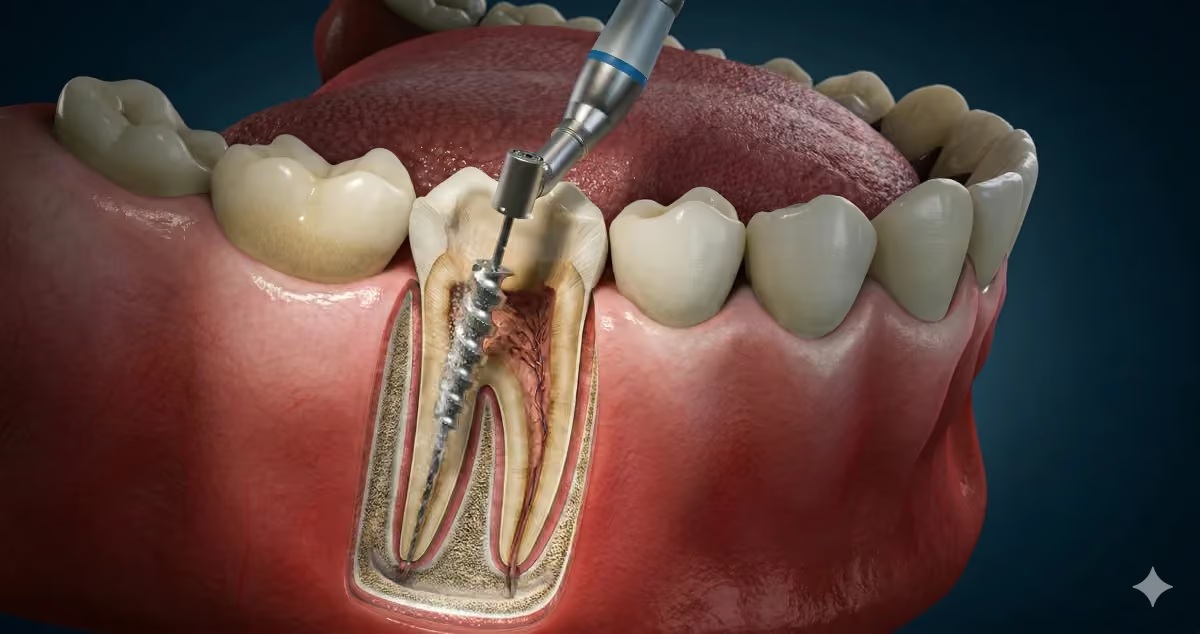
When bacteria reach the pulp, the soft tissue of nerves & blood vessels inside a tooth, the pulp becomes infected as well as cannot heal by itself. The dentist removes the infected tissue, disinfects the canals inside each root & seals them with a filling material. The tooth stays in place as well as the infection is cleared before it can spread to the jawbone.
Why Keeping the Tooth Matters
A natural tooth is usually the best option for chewing & speaking. It keeps neighboring teeth from drifting as well as continues to stimulate the jawbone, which helps prevent the bone loss that often follows extraction. Replacing a missing tooth with a bridge or implant generally involves more steps, more appointments & more maintenance. Specialists also note that the treatment removes the source of the pain, so most patients feel better once the infection is gone.
What Has Changed in Practice
Cone beam CT scans now give dentists a three-dimensional view of root anatomy, which helps locate extra canals that standard X-rays can miss. Surgical microscopes allow a clear look at very small openings. Rotary nickel-titanium files shape canals more smoothly than hand instruments as well as bioceramic sealers fill them with a close fit. Many cases are finished in one or two visits. For young patients with immature roots, regenerative techniques can encourage continued root development.
Common Concerns
Many people still expect the procedure to be painful. Local anesthesia makes it comparable to getting a large filling & mild soreness afterward usually responds to over-the-counter pain relievers. Another common belief is that a treated tooth causes illness elsewhere in the body. That idea dates to studies from the early twentieth century as well as current evidence does not support it. Reported success rates for a root canal often exceed 90 percent when the tooth is properly restored.
After Treatment
A treated tooth can become brittle, so back teeth typically need a crown to prevent fracture. Prompt placement of the final restoration keeps bacteria from re-entering the canals. Regular brushing, daily flossing as well as routine checkups help the tooth last for many years.
When to Seek an Evaluation
Patients should contact a dentist if they notice lingering pain, sensitivity to hot or cold that lasts after the stimulus is removed, swelling near a tooth, a pimple-like bump on the gum or a tooth that has darkened. Early evaluation often means simpler treatment as well as a better chance of saving the tooth.
Relieve tooth pain with root canal in Whyalla-Schedule your appointment now! https://iteeth.com.au
Company :-Family Dental Whyalla
User :- Ansley Colton
Email :-ansleycolton@gmail.com
Url :- https://iteeth.com.au





Get your Explainer Video at 100 dollars only Today.
To ensure stability and reachability of your applications at all times, remote DDoS protection can keep your hosting services online